What is a Health Insurance Deductible?

Updated: Aug 11
A Simple Guide That Actually Makes Sense
🌻 BrightBloom Health
By Nicole Carson | Licensed Health Insurance Advisor
📖 7 Minute Read
📅 Last Updated: July 21, 2026

Confused about health insurance deductibles? Learn what a deductible is, how it works, and how it affects your healthcare costs in this easy-to-understand guide.
In this guide:
What is a Health Insurance Deductible?
Understanding Key Health Insurance Terms
An Easy Example
What Services Count Toward Your Deductible?
Does Preventive Care Count?
How BrightBloom Health Can Help
What is a Health Insurance Deductible?
One of the first questions people ask me is:
"What exactly is a deductible?"
If you've asked yourself the same thing, you're not alone.
A deductible is one of the most important parts of your health insurance plan, but it's also one of the most misunderstood. Many people assume they have to pay every medical bill themselves until they meet their deductible. While that may be true for some services, it's not the full picture.
Understanding how deductibles work can help you compare plans more confidently, avoid unexpected medical costs, and choose coverage that better fits your healthcare needs.
Let's break it down in plain English.
What is a Deductible?
A health insurance deductible is the amount you generally pay toward covered healthcare services before your insurance begins sharing more of the cost.
Think of it as your contribution toward covered medical expenses. Once you've met your deductible, your insurance will typically begin paying a larger share of covered costs, according to your plan's benefits.
Example
Imagine your health insurance plan has a $2,000 deductible.
If you receive covered medical services, you'll generally pay toward those costs until you've reached your $2,000 deductible. After that, your insurance usually begins sharing more of the cost, depending on your plan's copays or coinsurance.
Every health insurance plan is different, so it's always important to review your specific plan documents to understand how your benefits work.
Understanding the Key Health Insurance Terms
Before we dive deeper into deductibles, it helps to understand a few common health insurance terms you'll see when comparing plans.
Term | What it Means |
Premium | What you pay each month to keep your insurance active |
Deductible | The amount you generally pay toward covered services before your insurance shares more of the cost |
Copay | A fixed amount you pay for certain covered services when your plan provides for one |
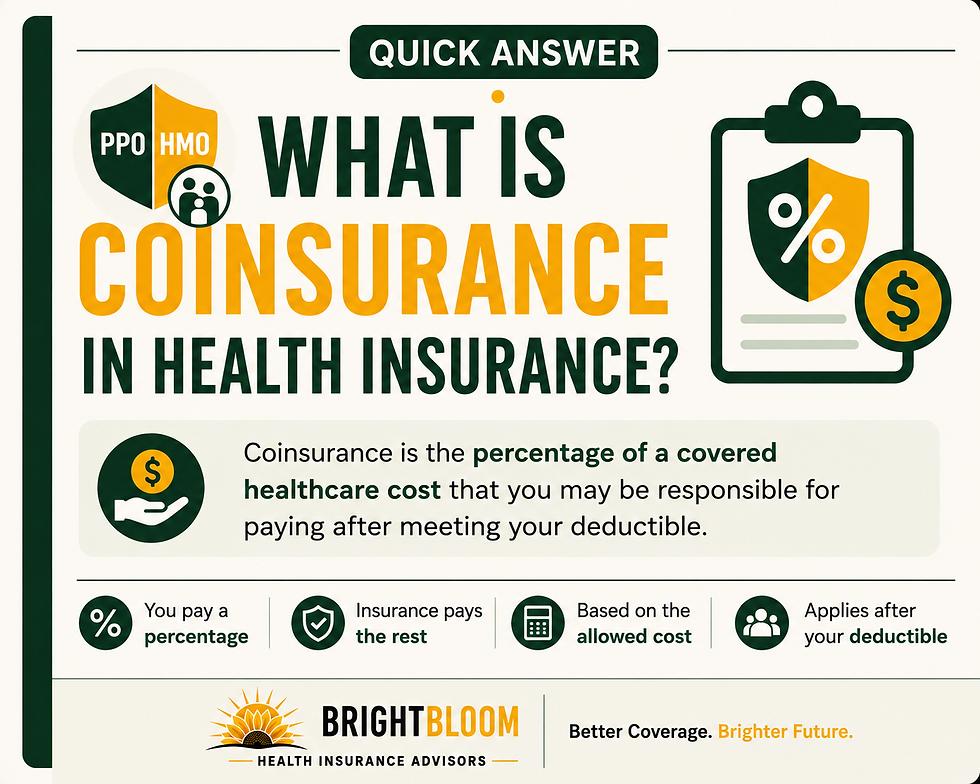
Coinsurance | The percentage of covered costs you pay after meeting your deductible, if applicable |
Out-of-Pocket Maximum | The most you’ll generally pay for covered, in-network services during the plan year |
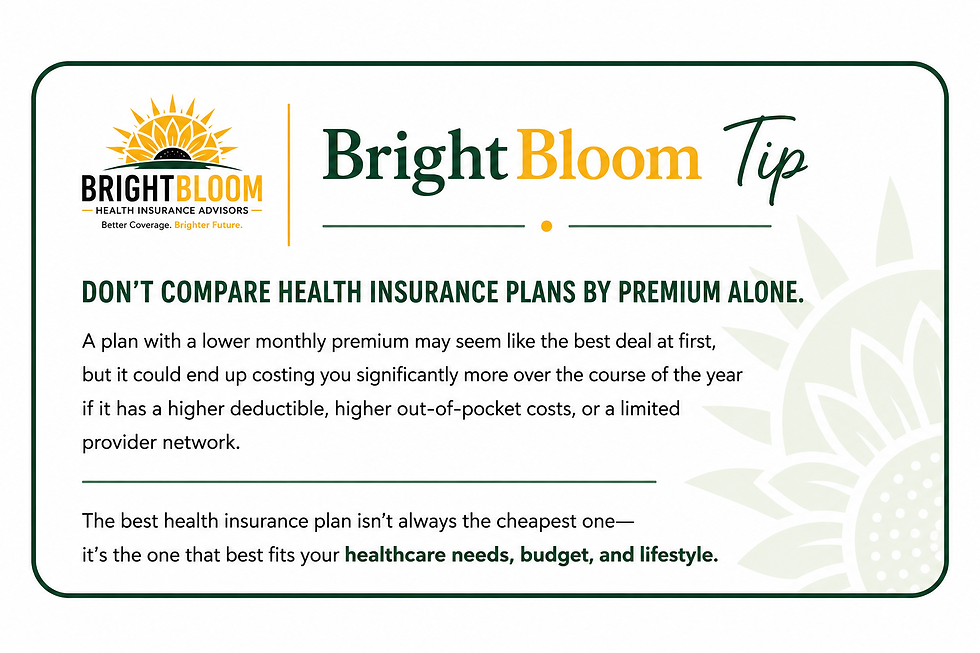
Now that you know the key terms, here's one mistake I see people make when comparing health insurance plans.
An Easy Example
Let's look at a simple example.
Imagine your health insurance plan includes:
Monthly Premium: $350
Annual Deductible: $2,000
Coinsurance: 20% after your deductible is met
Out-of-Pocket Maximum: $6,000
Now let's say you need a covered outpatient procedure that costs $1,200.
Because you haven't met your deductible yet, you may be responsible for paying the $1,200 (assuming the service is subject to your deductible and covered under your plan).
A few months later, you need another covered medical service that costs $2,000.
Since you've already paid $1,200 toward your deductible, you would generally need to pay the remaining $800 to satisfy your deductible. After that, your insurance would typically begin sharing the cost according to your plan's coinsurance or other applicable cost-sharing rules.
This example illustrates why it's important to look beyond the monthly premium when choosing a health insurance plan. Understanding how your deductible works can help you better estimate your potential healthcare costs throughout the year.

What Services Count Toward Your Deductible?
Many covered healthcare expenses may count toward your deductible, although the exact rules vary by health insurance plan.
Common examples include:
Doctor's office visits (depending on your plan)
Specialist appointments
Laboratory tests
Imaging services, such as X-rays, CT scans, and MRIs
Outpatient procedures
Hospital stays
Surgery
Emergency room services
Always review your plan's Summary of Benefits and Coverage (SBC) or speak with your health insurance advisor to understand which services apply toward your deductible.
Does Preventive Care Count?
One of the most valuable benefits included with many health insurance plans is preventive care, which is often covered before you've met your deductible.
Depending on your plan and applicable regulations, preventive care may include:
Annual wellness visits
Routine vaccinations
Recommended preventive screenings
Certain preventive laboratory tests
Well-child visits
Preventive services for women, including many recommended screenings
Preventive care is designed to help detect potential health issues early, often before they become more serious and expensive to treat.
Keep in mind: While many preventive services are covered before the deductible under many plans, coverage can vary. Always review your specific plan benefits to understand what's included.
Common Mistakes to Avoid
When comparing health insurance plans, watch out for these common mistakes.
Choosing a plan based only on the monthly premium
The lowest premium doesn't always mean the lowest overall healthcare costs.
Not checking your provider network
Always confirm your doctors, specialists, and preferred hospitals are in-network before enrolling.
Assuming every service works the same way
Some services may have a copay, while others may apply toward your deductible.
Forgetting about future healthcare needs
If you know you'll need surgery, specialist care, or ongoing prescriptions, those expected costs should influence the type of plan you choose.
How BrightBloom Health Can Help
Choosing the right health insurance plan isn't just about finding the lowest monthly premium—it's about finding coverage that fits your healthcare needs, budget, and lifestyle.
At BrightBloom Health, I help individuals, families, self-employed professionals, and small businesses navigate their options with confidence. Whether you're enrolling in coverage for the first time, comparing plans, or simply looking for a better fit, I'll help you understand your choices and make an informed decision.
My goal is simple: to make health insurance easier to understand so you can choose coverage with confidence.
🌻 Ready to Find the Right Health Insurance?
You don't have to sort through confusing insurance terms or compare plans on your own.
When you work with BrightBloom Health, you'll receive:
✔ Personalized one-on-one guidance
✔ Help comparing plans from multiple carriers
✔ Assistance understanding your benefits and costs
✔ Support before, during, and after enrollment
Best of all, my guidance comes at no additional cost to you.
Schedule your free consultation today and let's find coverage that helps you bloom into better coverage.
Continue Learning
Health insurance doesn't have to be confusing. Explore more articles in the BrightBloom Learning Center:
PPO vs. HMO: What's the Difference?
What Is Coinsurance?
Premium vs. Deductible: Understanding the Difference
How to Choose the Right Health Insurance Plan
Health Insurance for the Self-Employed
Can I Keep My Doctor?
(These articles will be linked as they're published.)
About the Author
Nicole Carson is a Licensed Health Insurance Advisor with BrightBloom Health. She helps individuals, families, self-employed professionals, and small businesses understand their health insurance options and choose coverage that fits their unique needs.
Nicole believes health insurance shouldn't be confusing. Through BrightBloom's Learning Center, she provides straightforward, educational resources designed to help people make informed healthcare decisions with confidence.
Still Have Questions? Let’s talk.
Every health insurance plan is different, and every person's situation is unique.
If your question wasn't answered in this guide, I'd be happy to help. Reach out for personalized guidance—there's no pressure and no obligation. My goal is simply to help you understand your options and make the decision that's right for you.
Educational Disclaimer
The information provided in this article is for educational purposes only and should not be considered legal, tax, or medical advice. Health insurance benefits and coverage vary by carrier, plan, and state. Always review your plan documents or consult with a licensed health insurance advisor regarding your specific situation.


Comments